
SHOGUN Journey to Nikko
Tokugawa Ieyasu the Model for Yoshii Toranaga in the Drama SUGUN and Nikko.
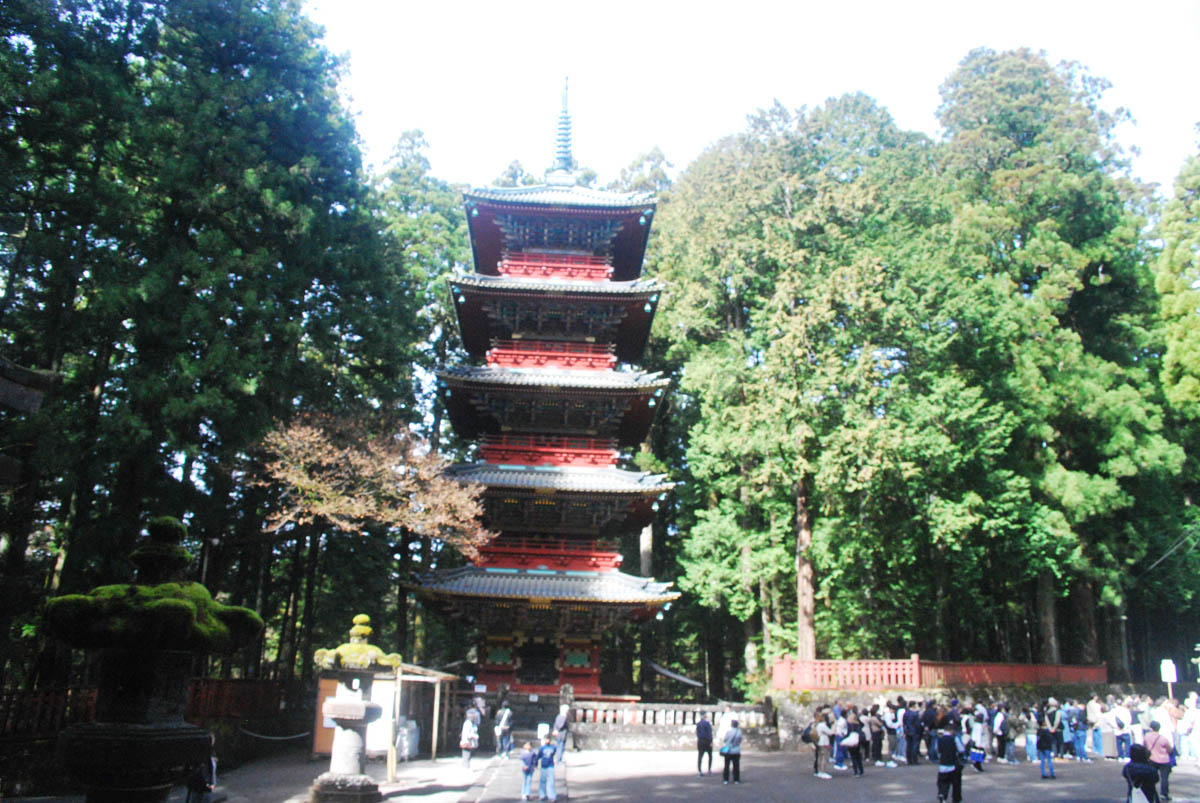
Nikko Toshogu Shrine, where Tokugawa Ieyasu is enshrined and revered as a deity, along with Nikko Futarasan Shrine?the origin of the ancient faith of Nikko?and Nikko-san Rinno-ji Temple, have all been designated as World Heritage sites.
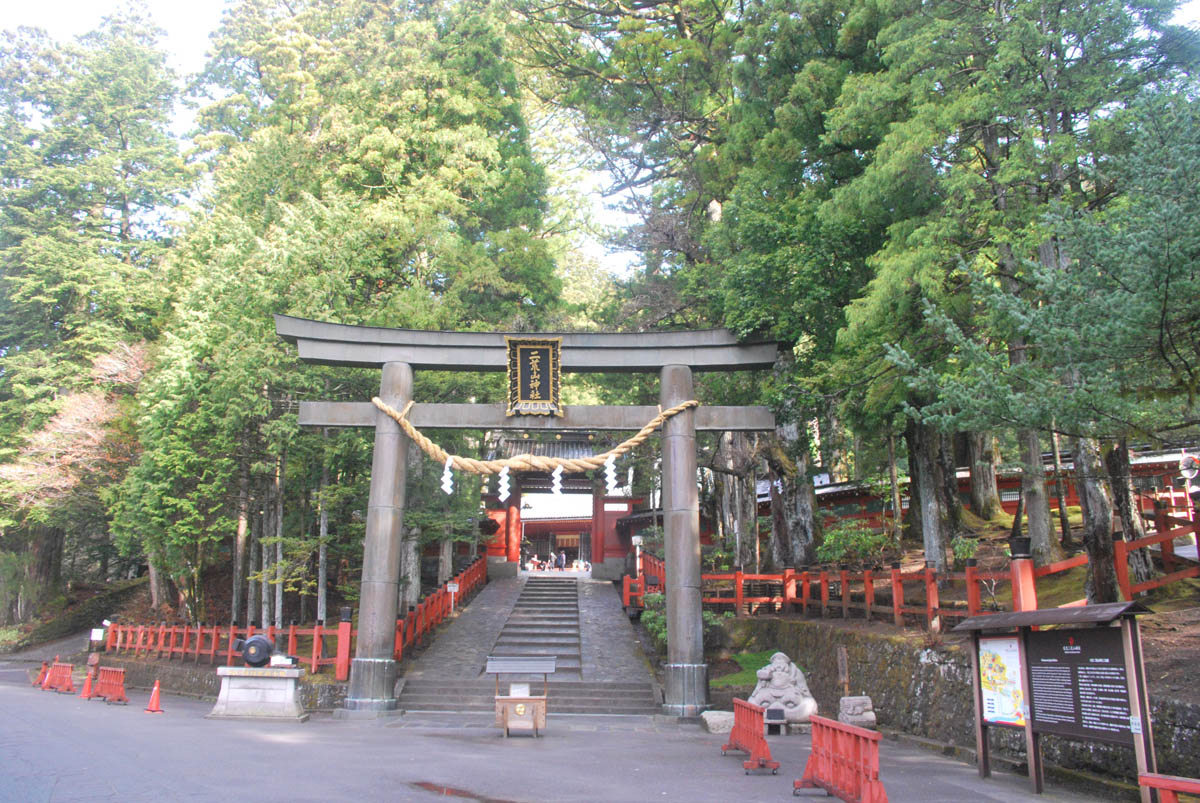
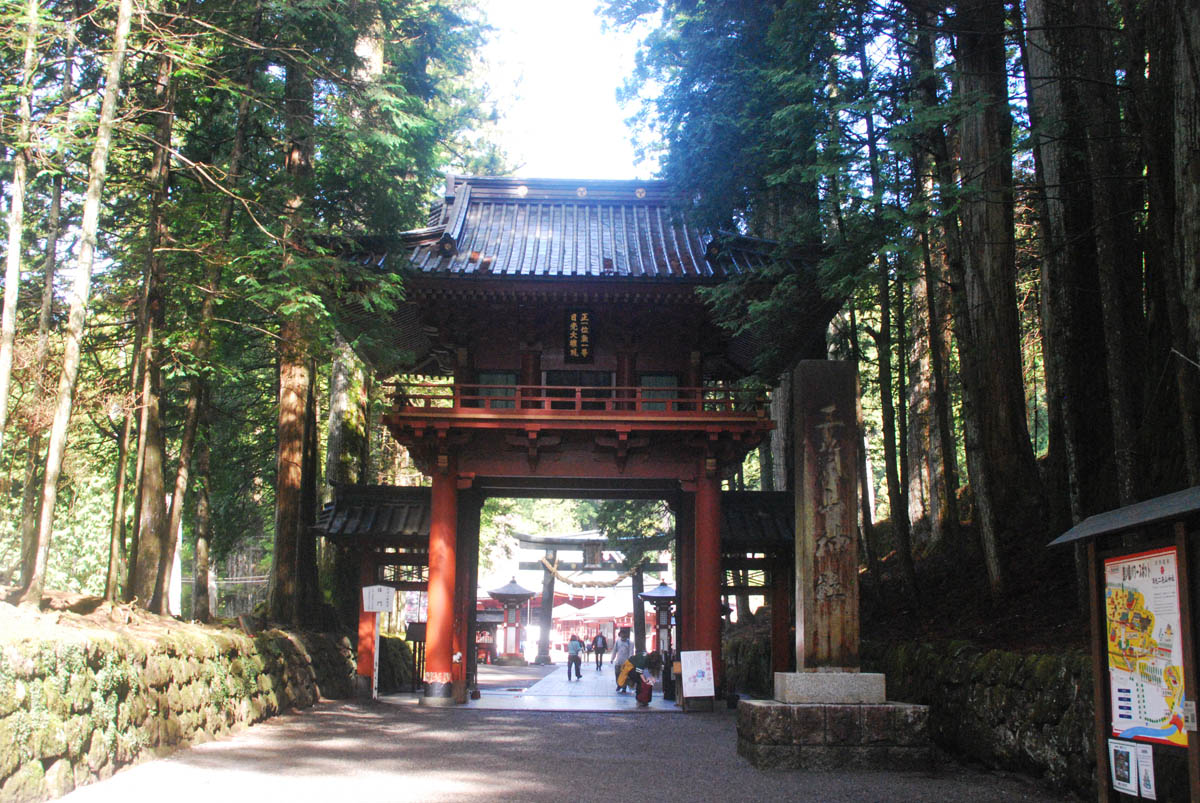
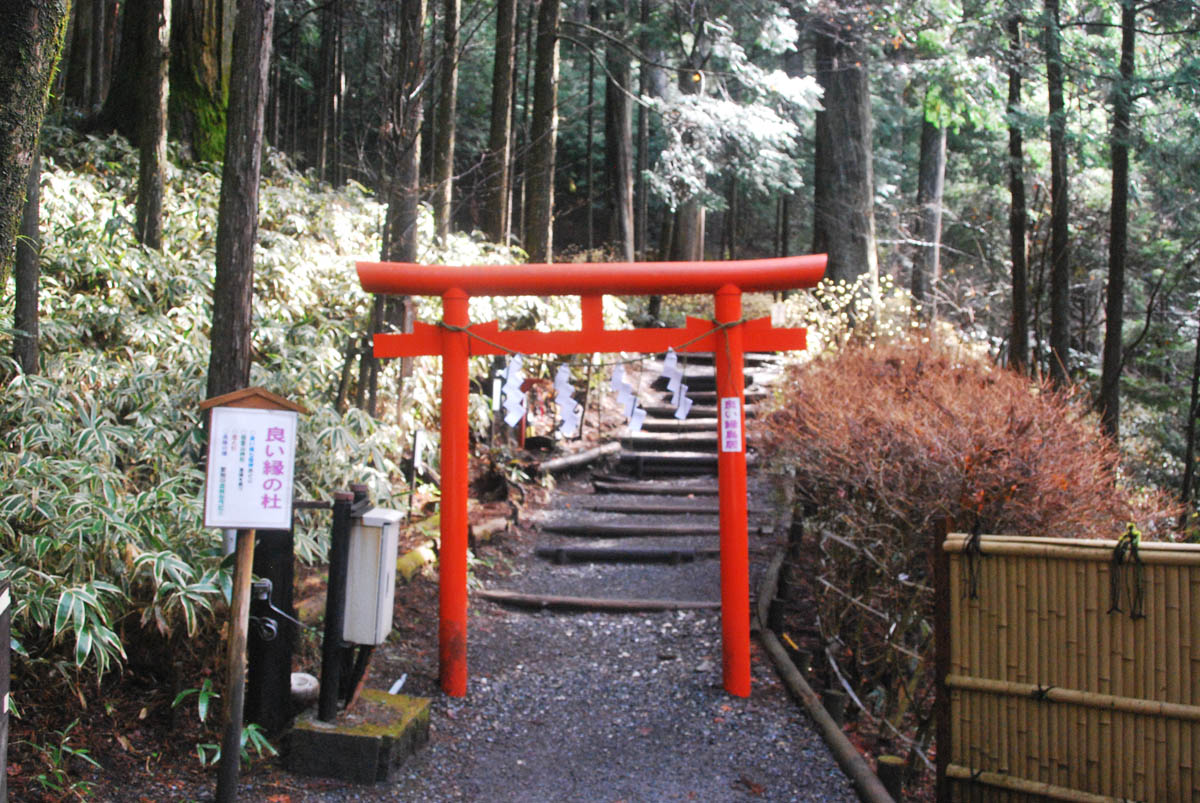
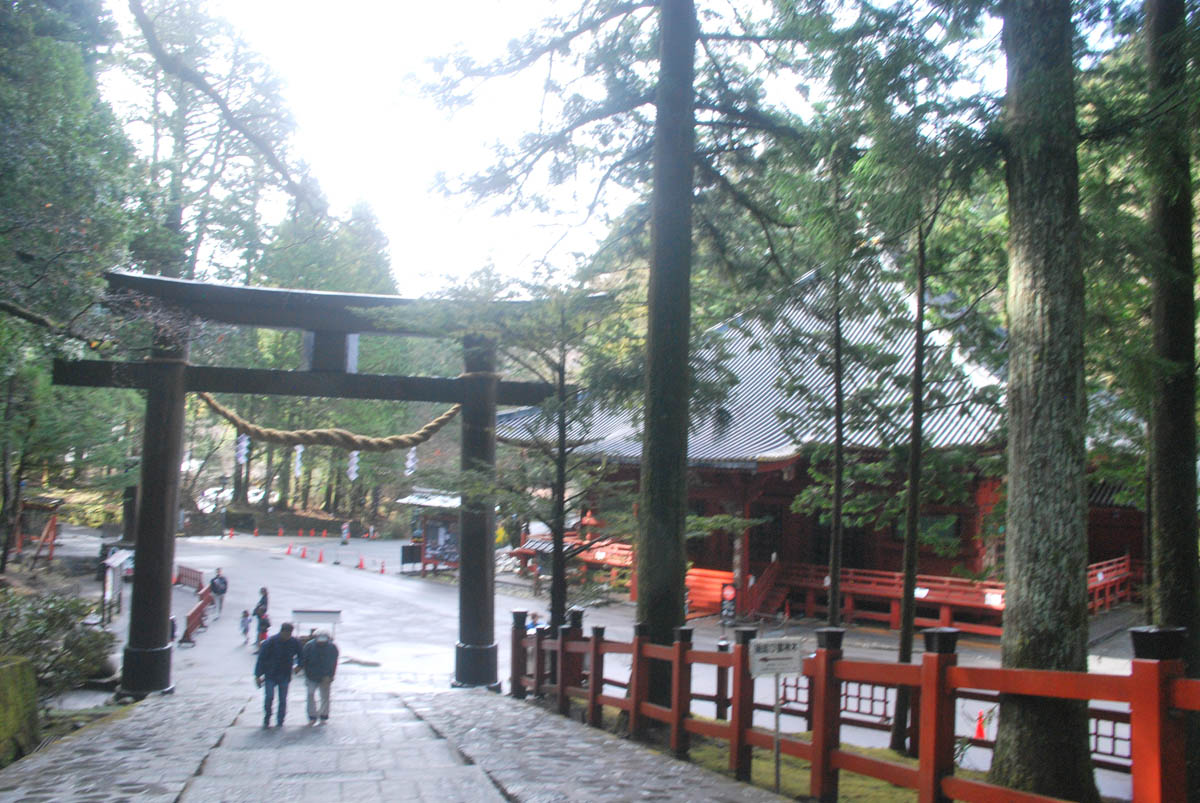
Take the bus bound for Yumoto Onsen from the bus stop in front of JR Nikko Station and get off at Nishi-sando; the torii gate of Nikko Futarasan Shrine is right there.
Access is similar from Tobu Railway's Nikko Station as well.
(Please note that there is another Futarasan Shrine in the nearby city of Utsunomiya, so be sure to distinguish it from Nikko Futarasan Shrine.)
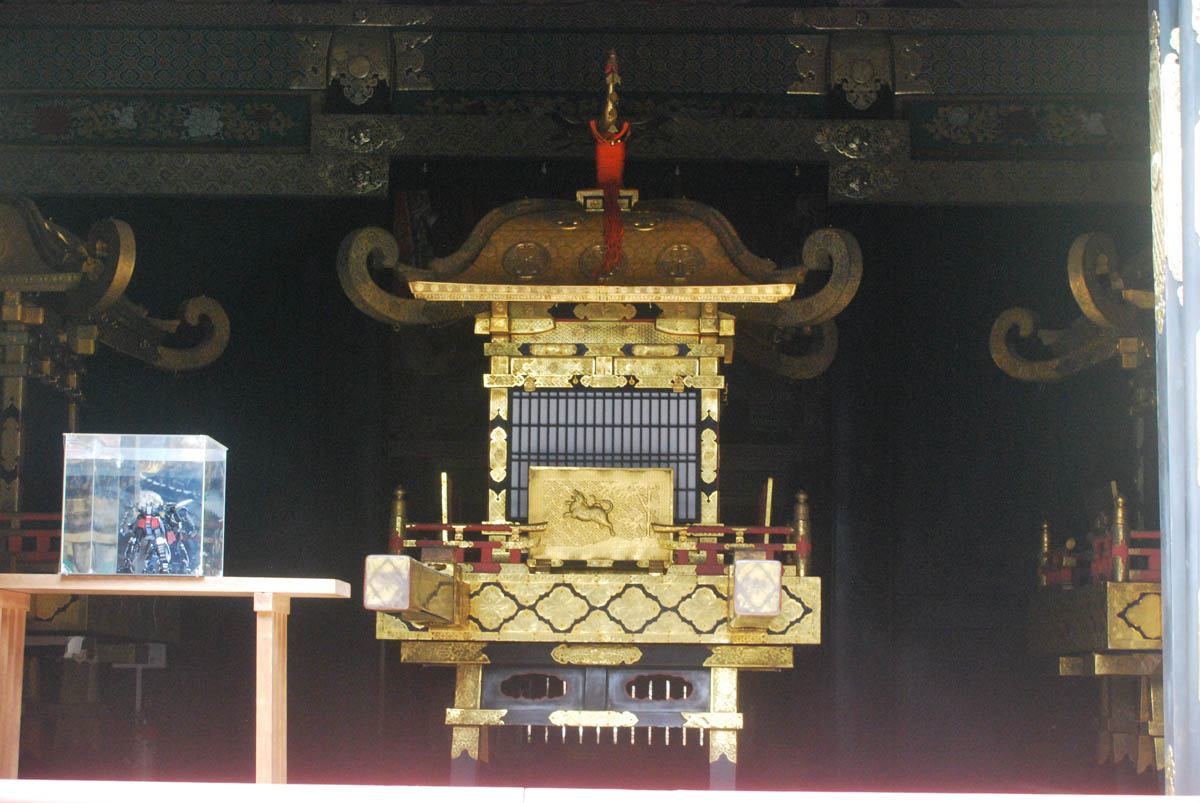
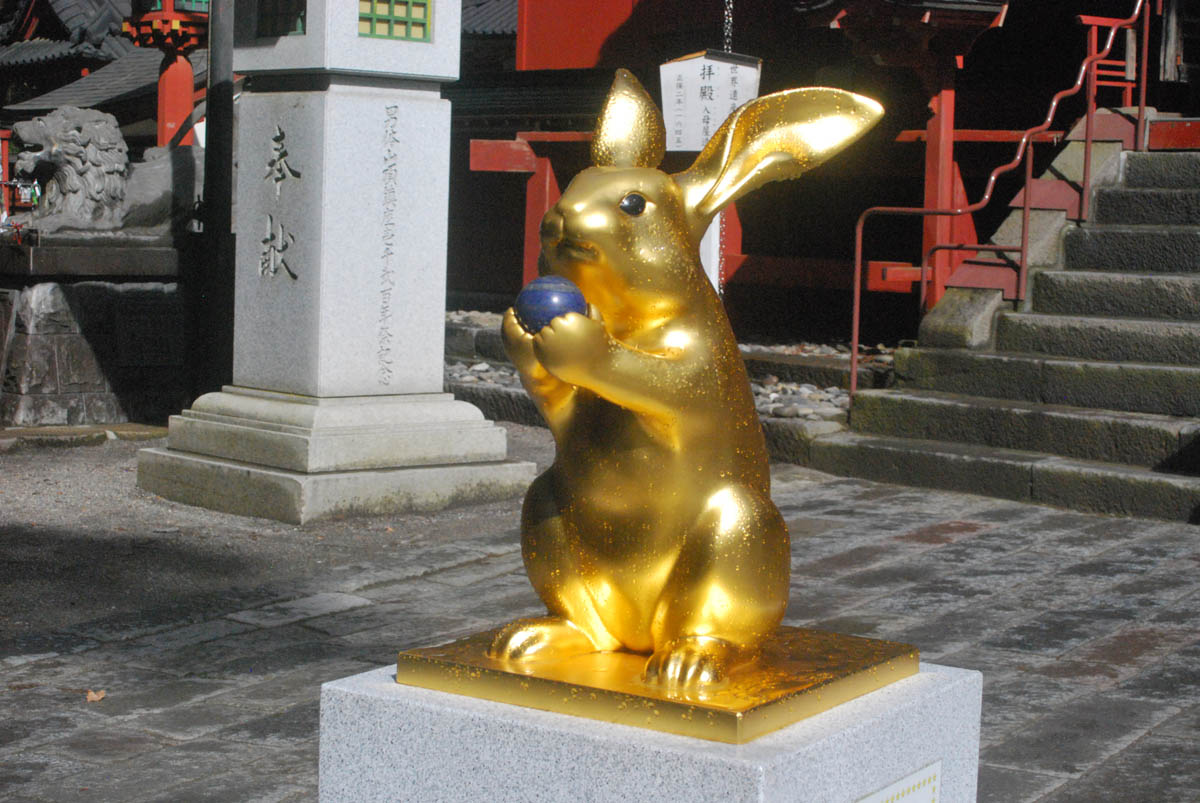
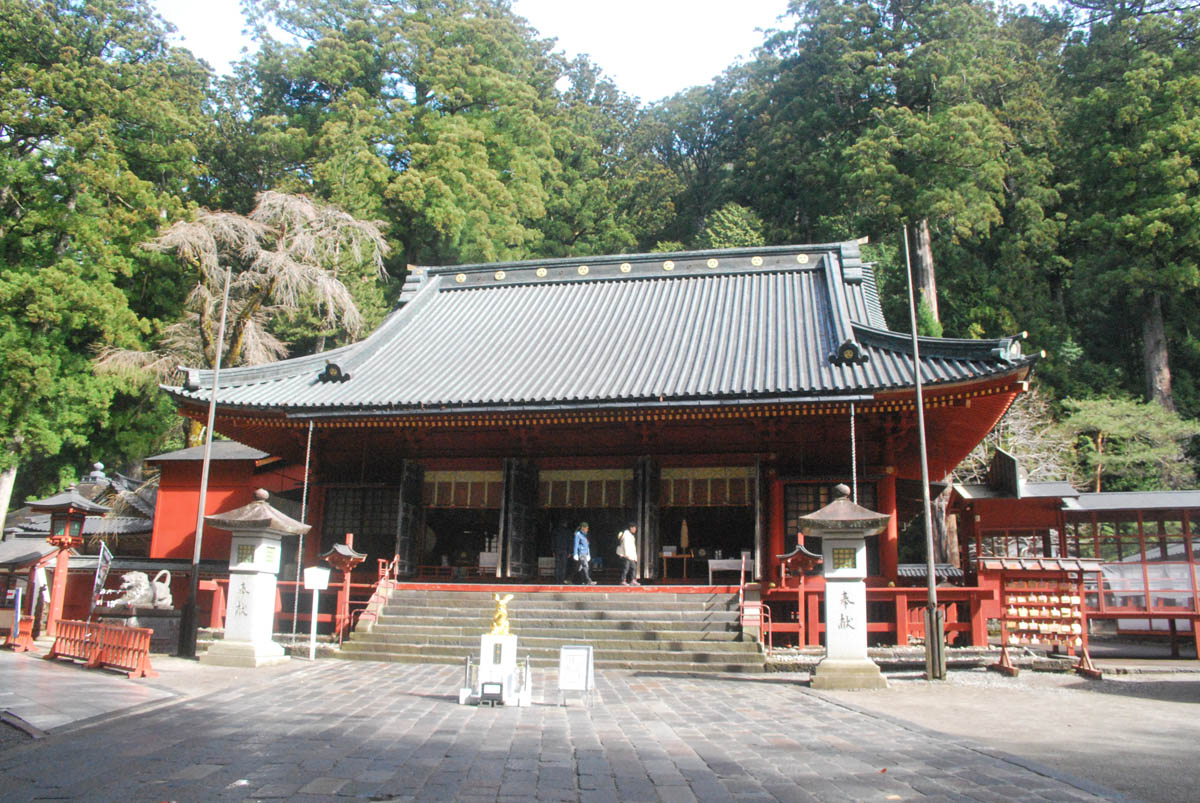
As you proceed further inside, you are welcomed by a golden "Good-Fortune Rabbit." This rabbit represents the figure from the myth of the "White Rabbit of Inaba" and is said to have united the deity of Futarasan Shrine, Okuninushi-no-Mikoto, with Princess Yagami-hime.
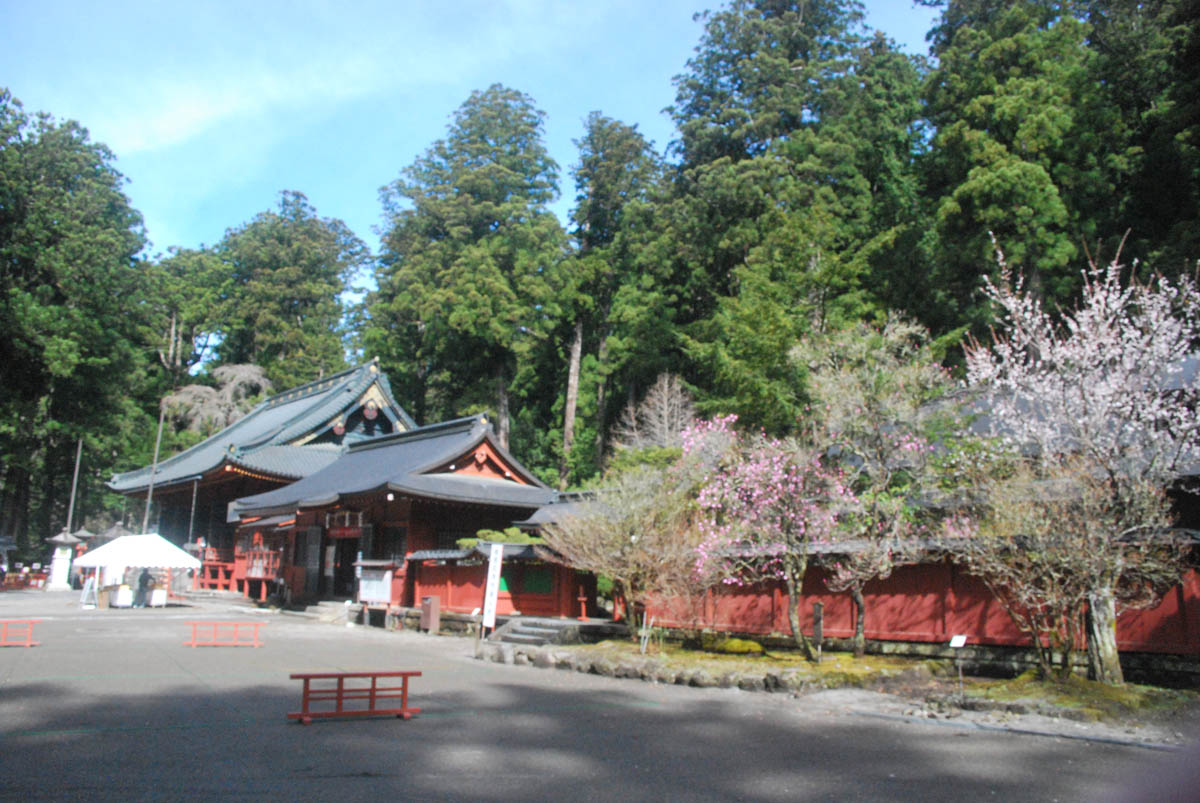
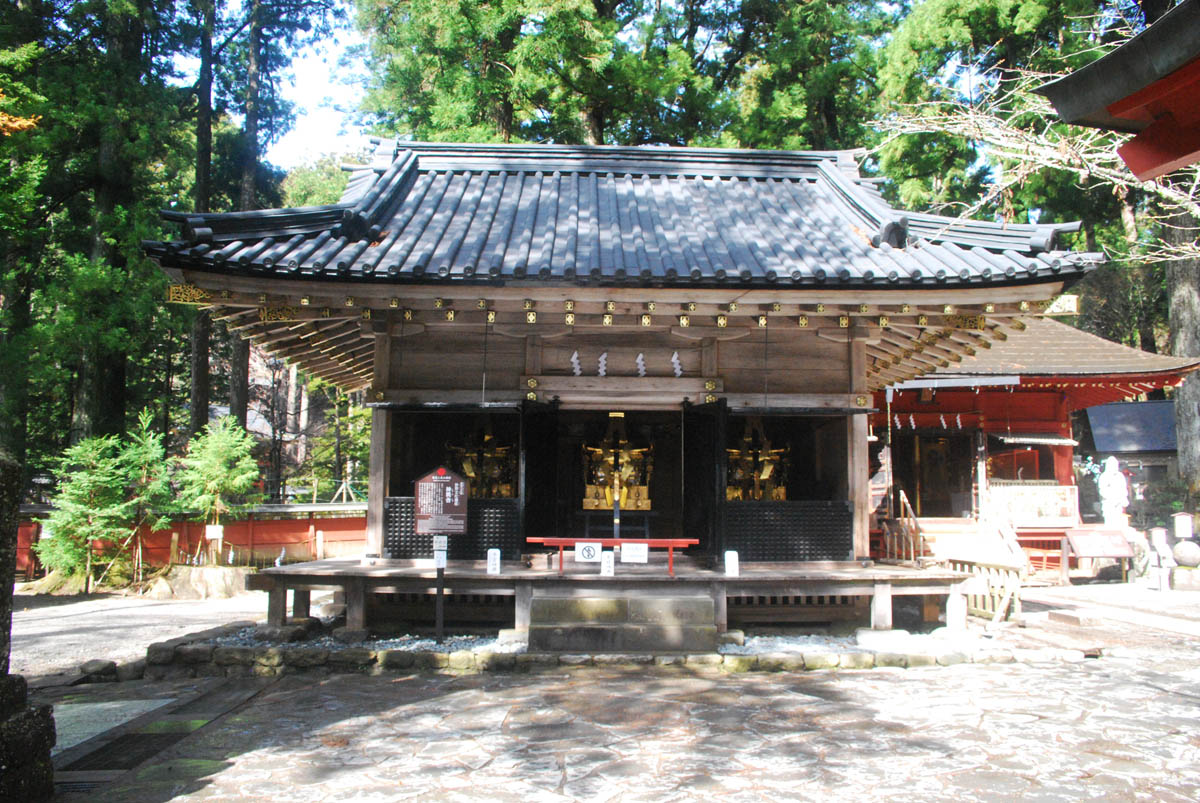
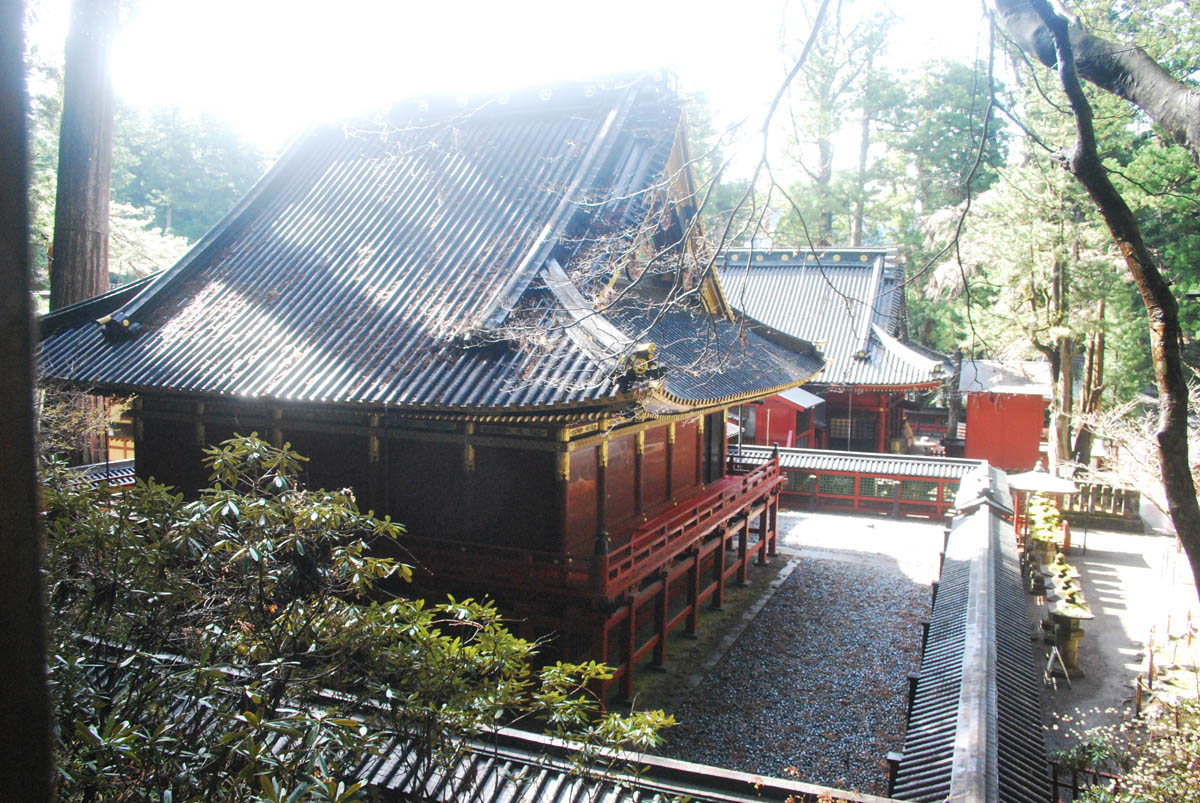
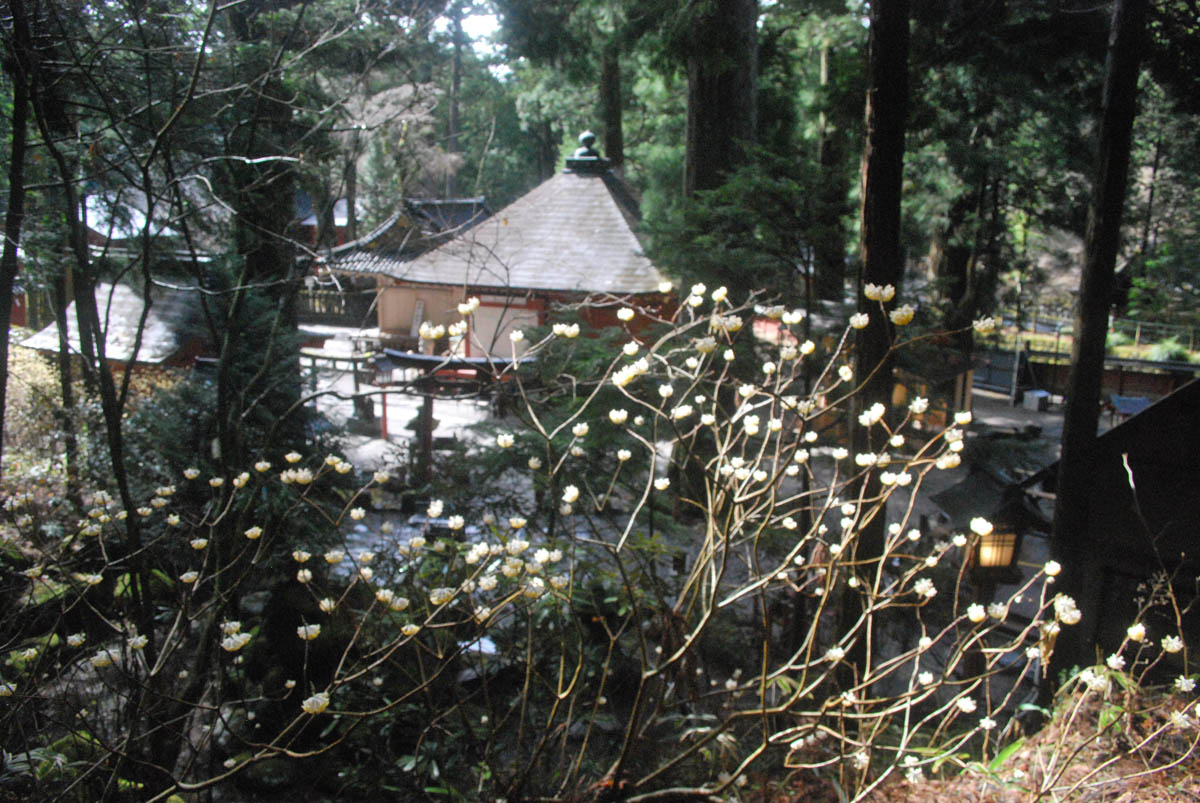
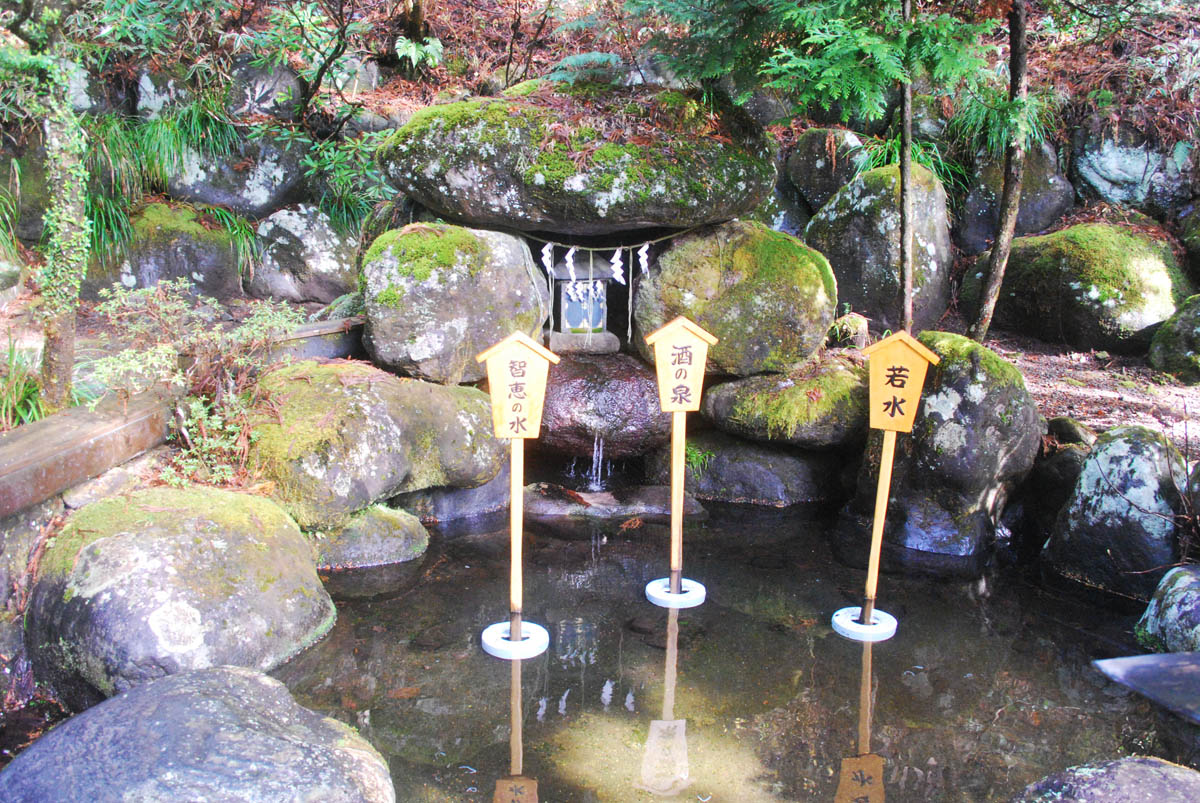
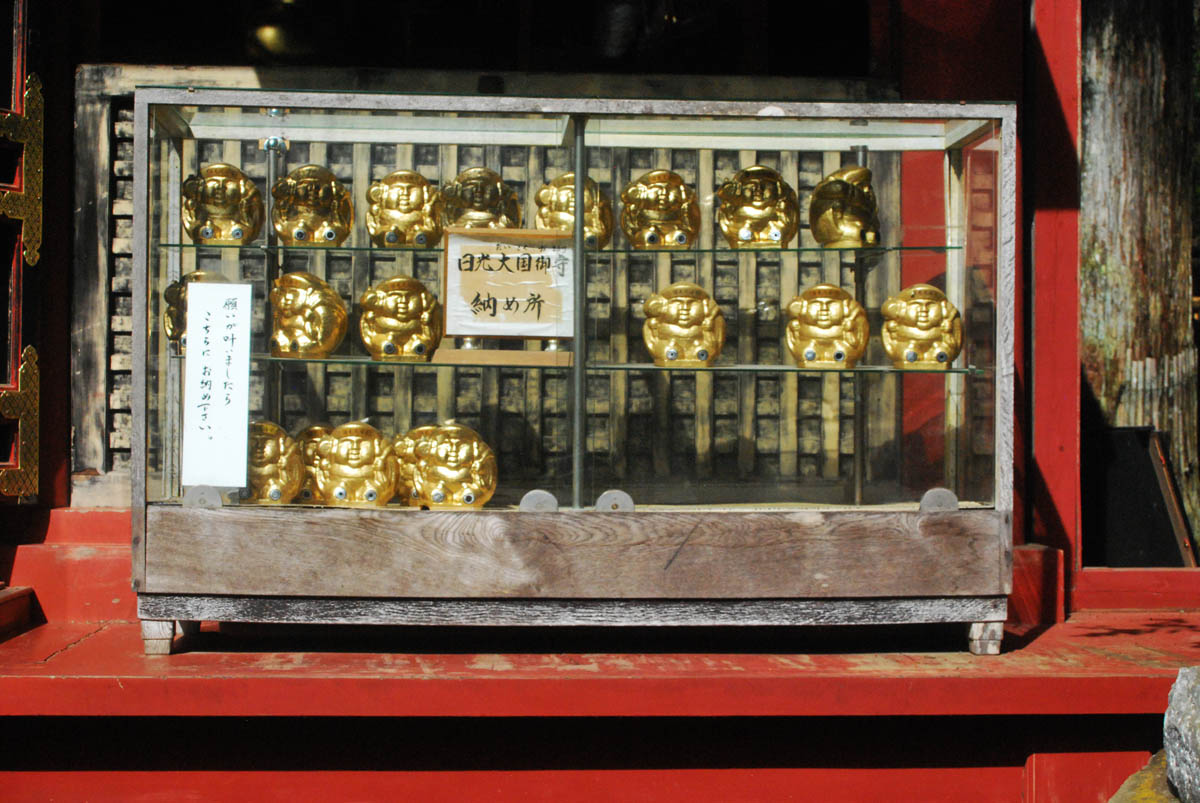
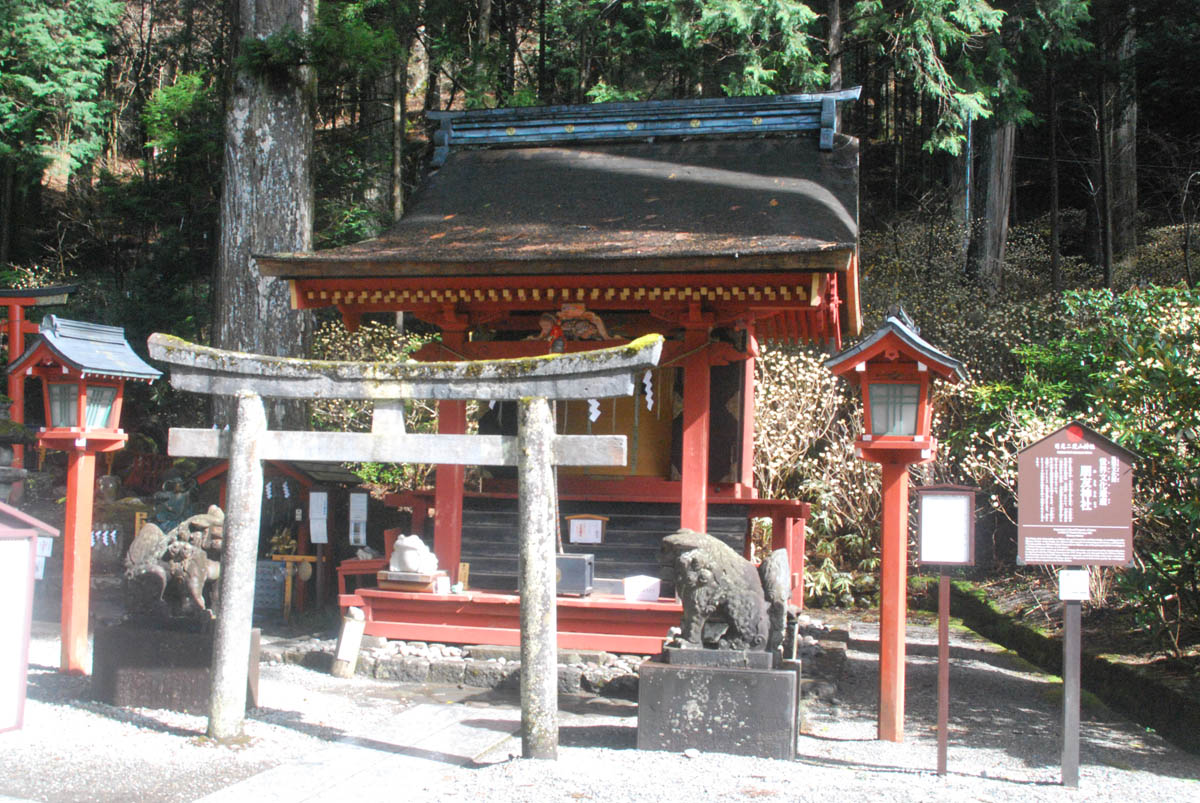
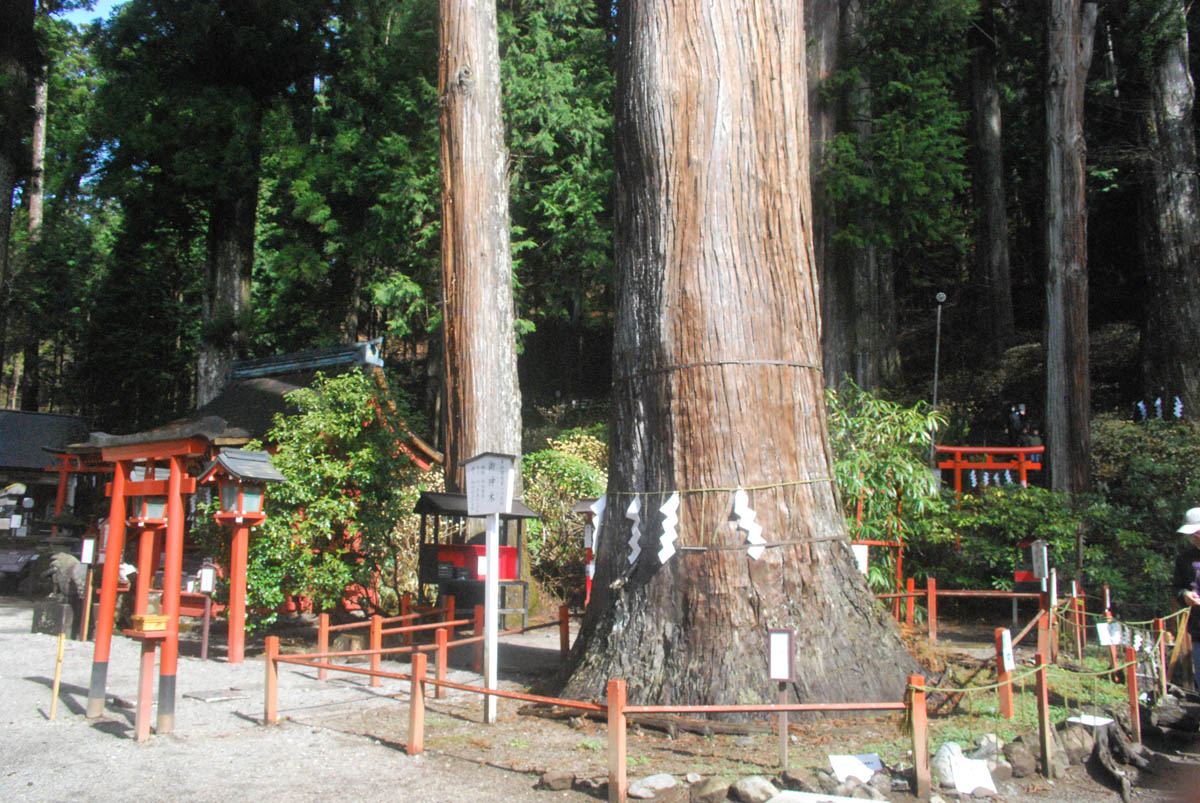
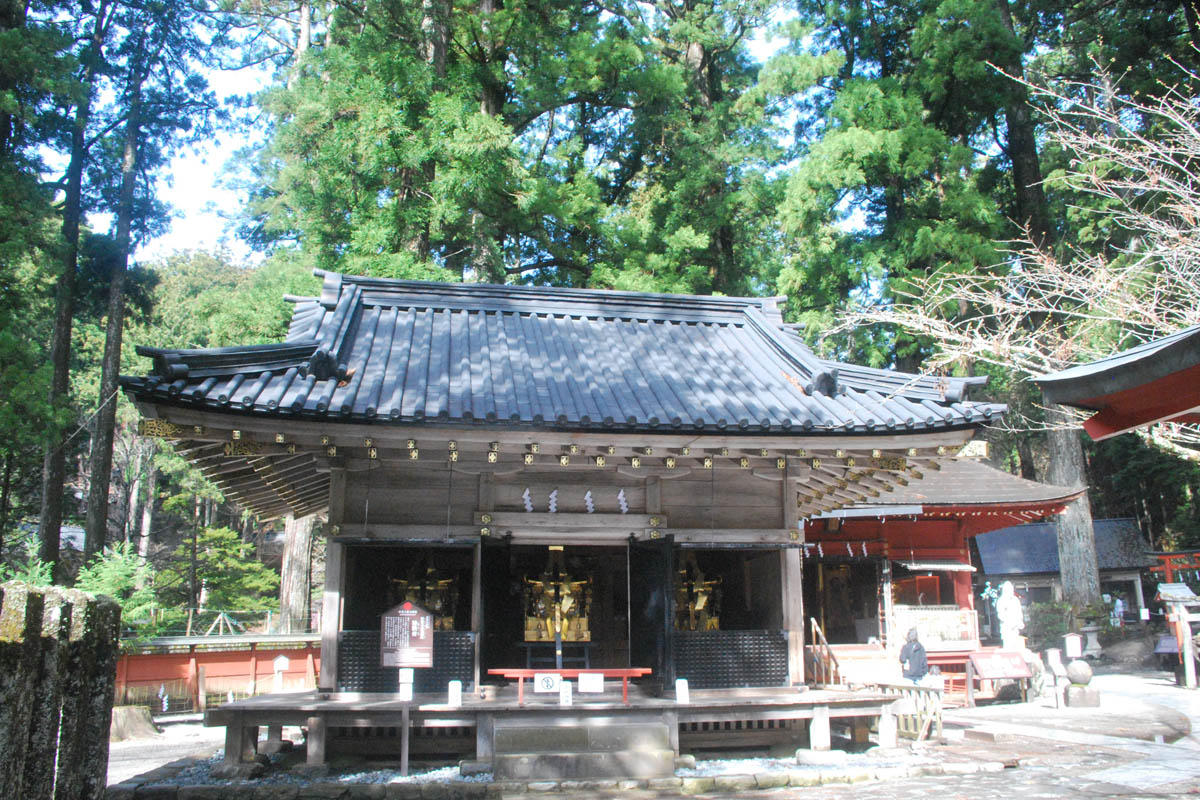
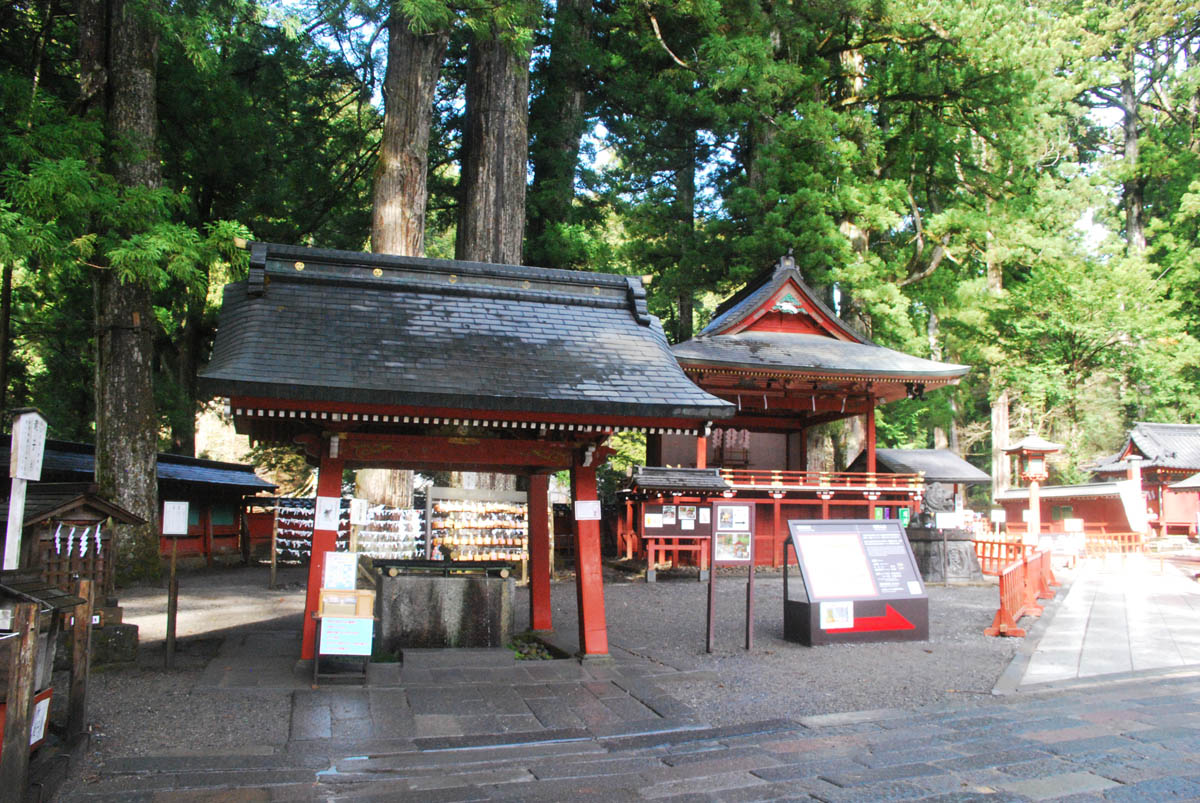
Within the Futarasan Shrine complex, there are World Heritage sites such as Tomoyo Shrine, Daikoku-den Hall, and the Futara Reisen Spring; the Mikoshi-sha (Portable Shrine Hall) is located near the summit.
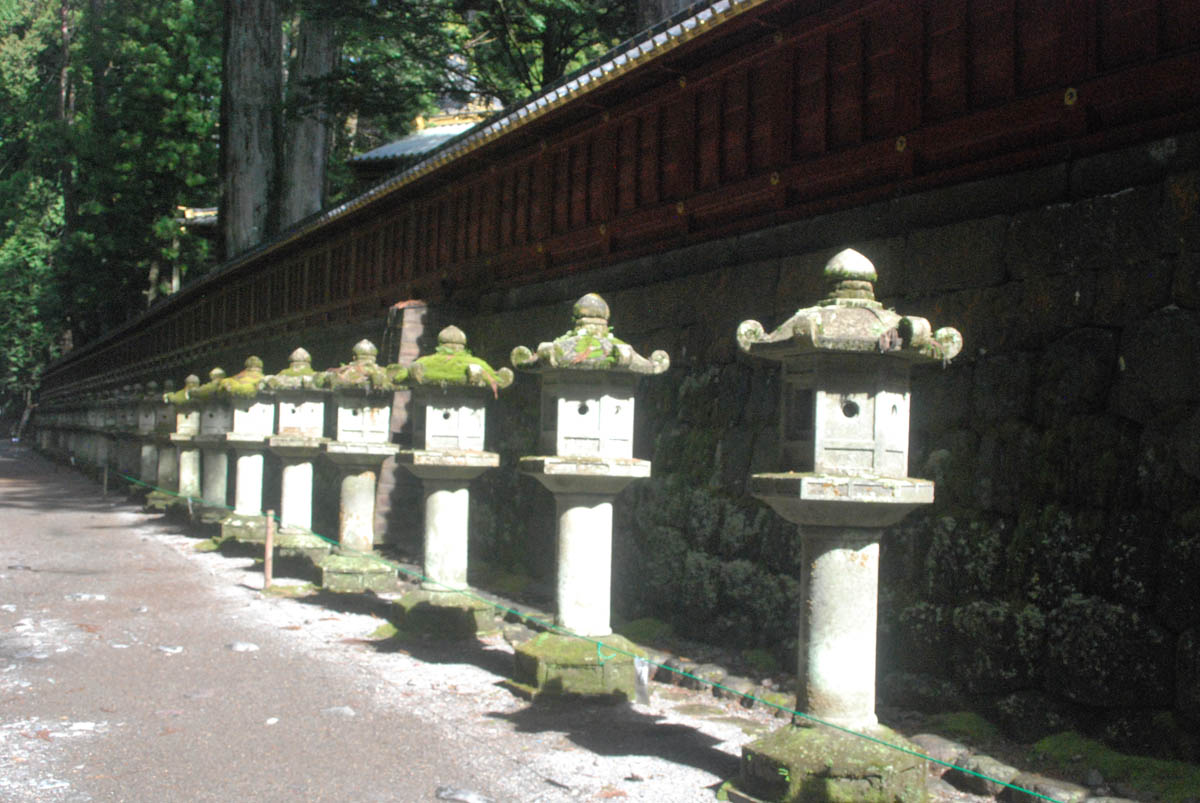
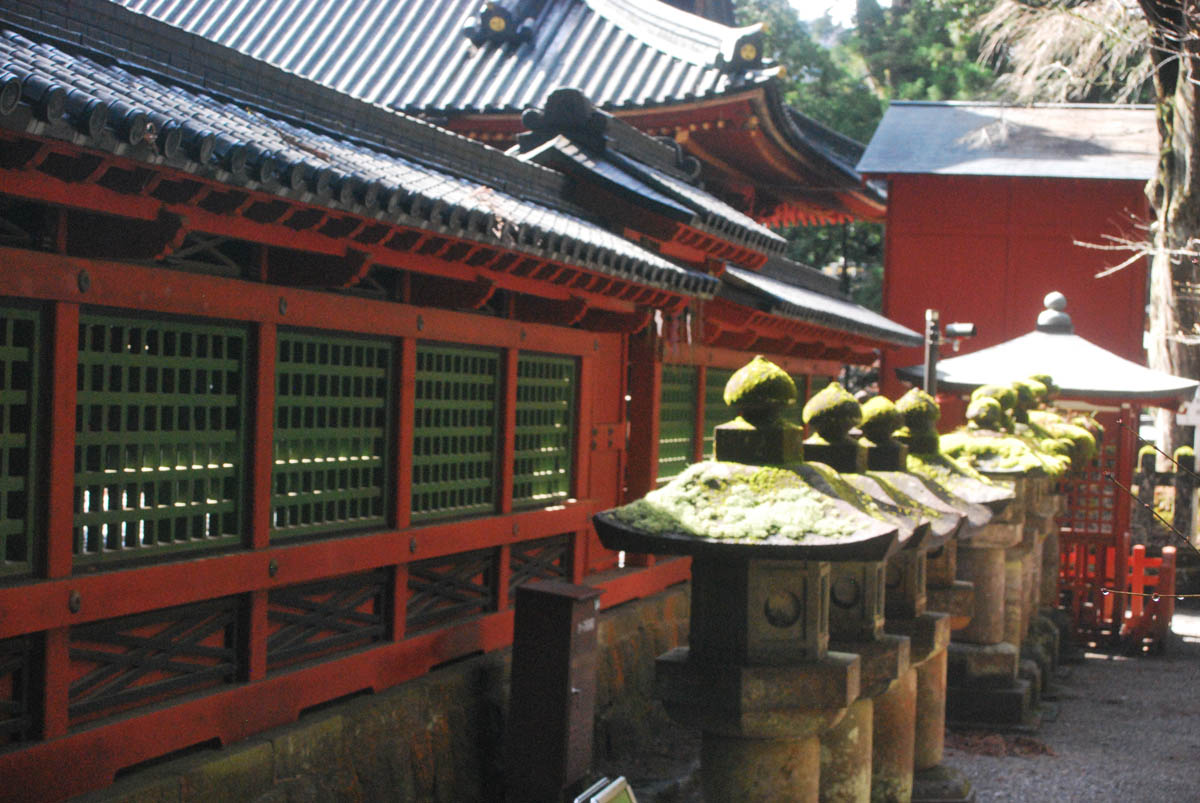
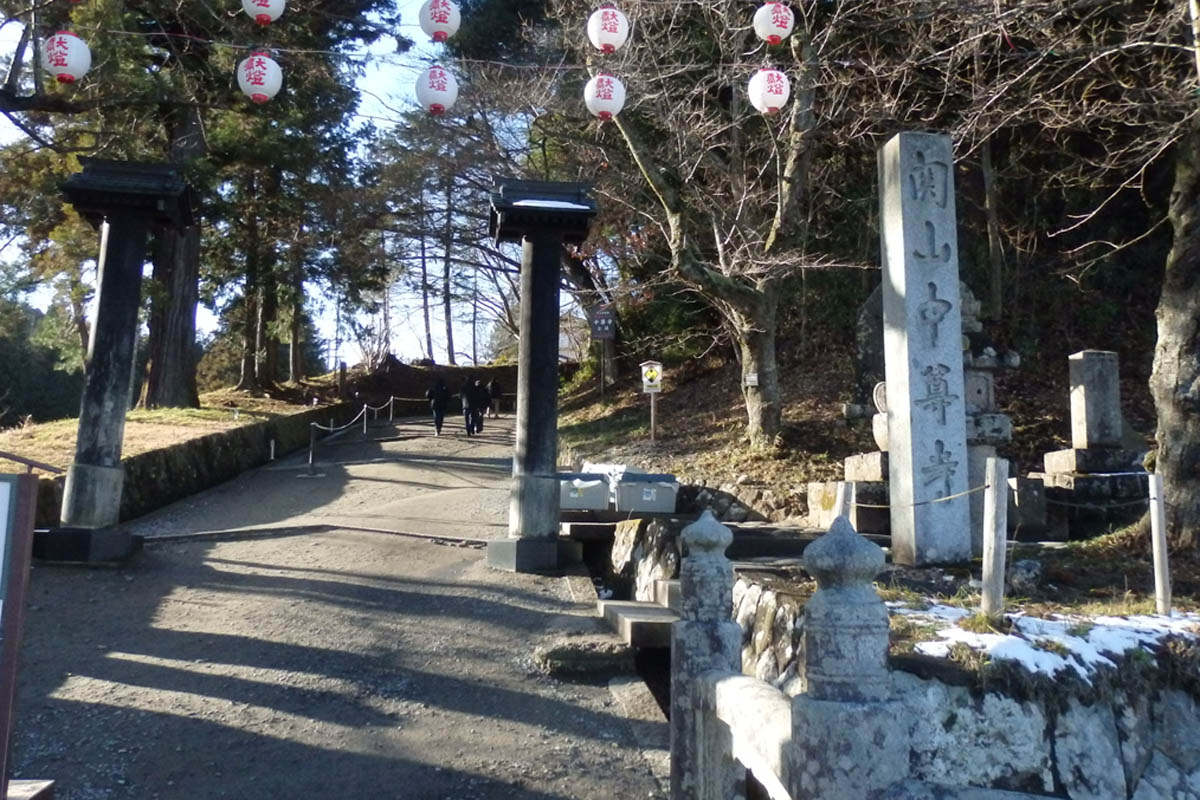
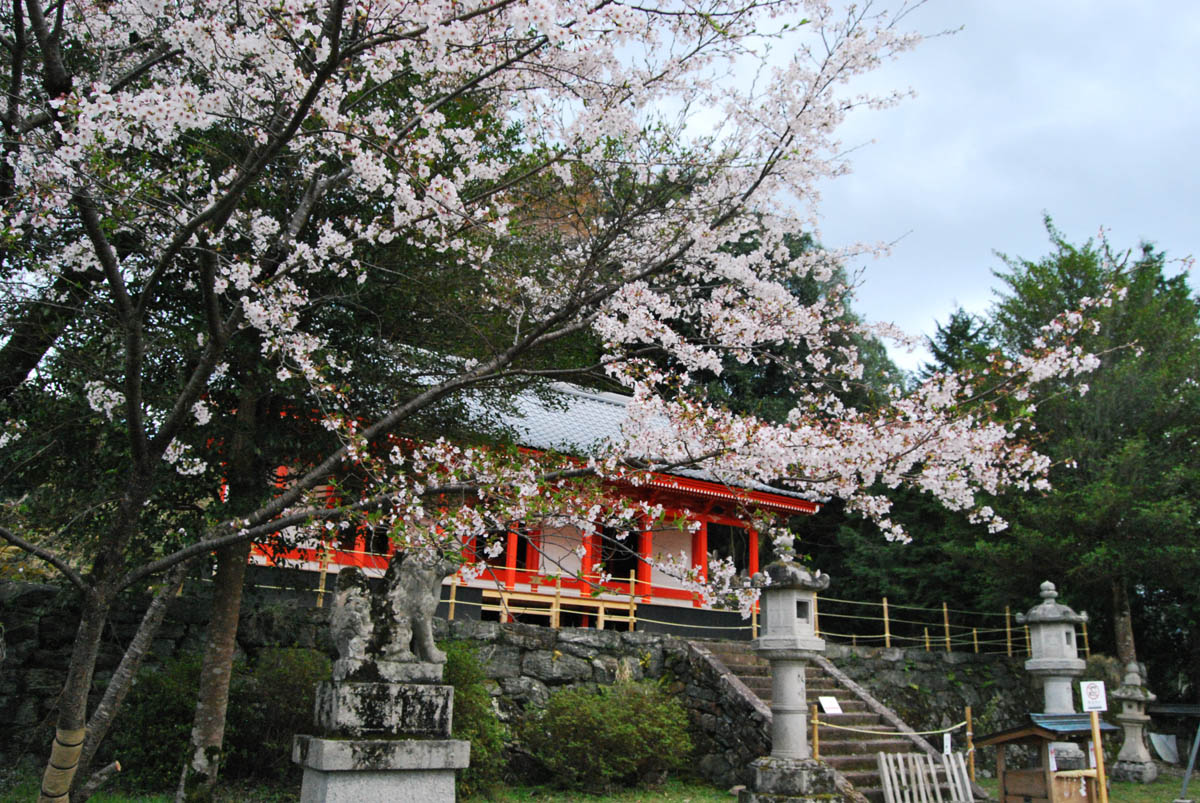
There are numerous stone lanterns along the approach leading from Futarasan Shrine to Toshogu Shrine.
SHOGUN Who Became a GOD
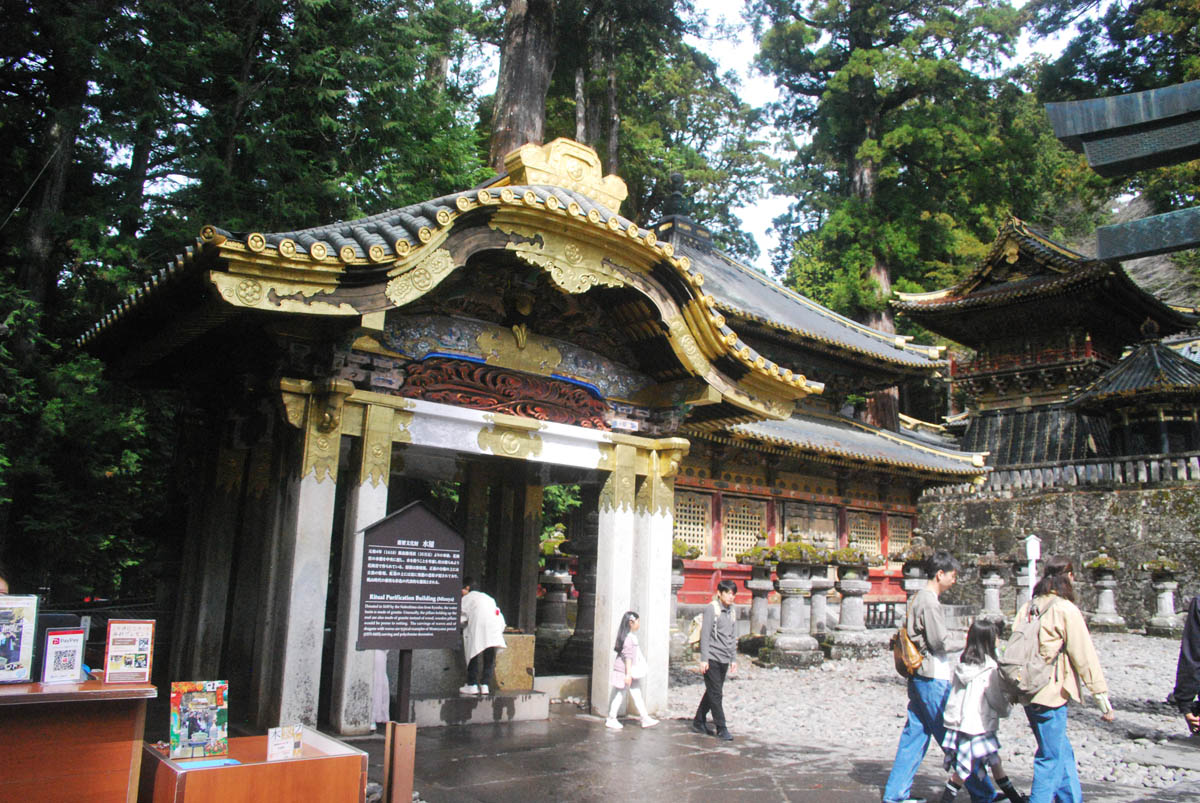
Toshogu Shrine enshrines Tosho Daigongen?the deified form of Tokugawa Ieyasu, the first shogun of the Edo Shogunate (which spanned 15 generations and 265 years starting in the early 16th century).
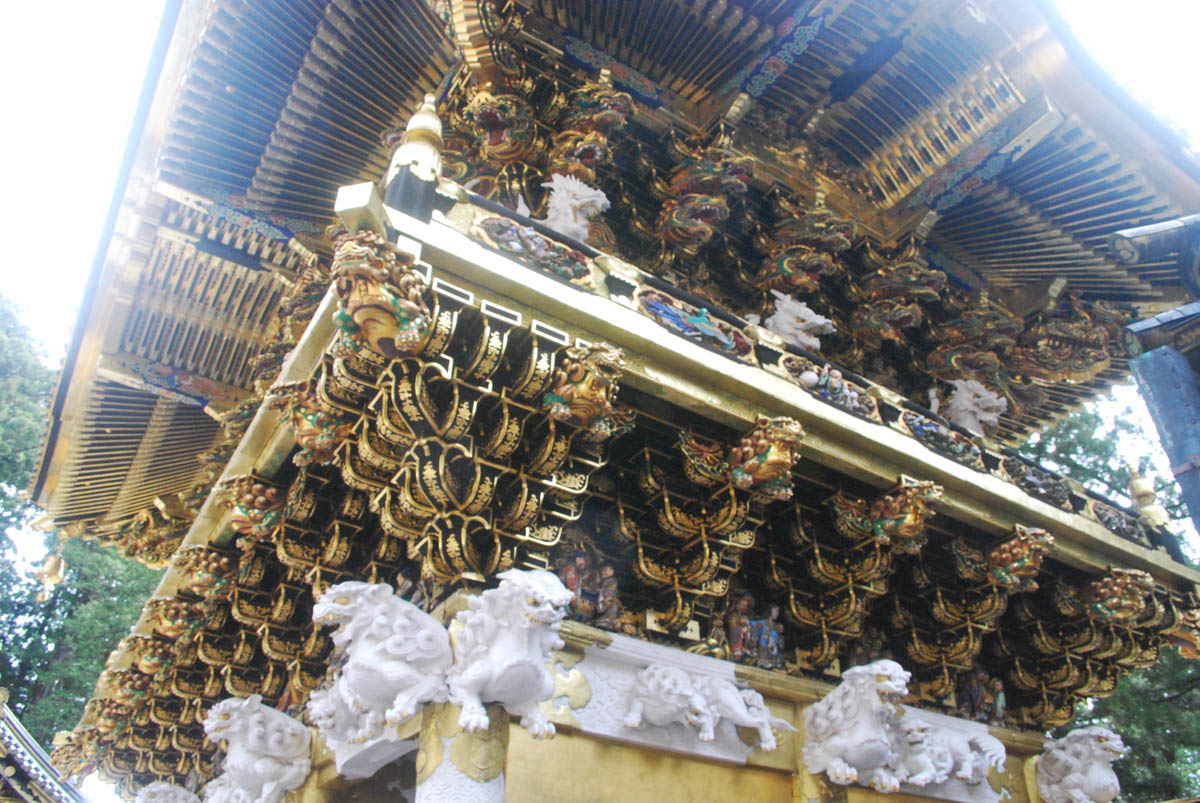
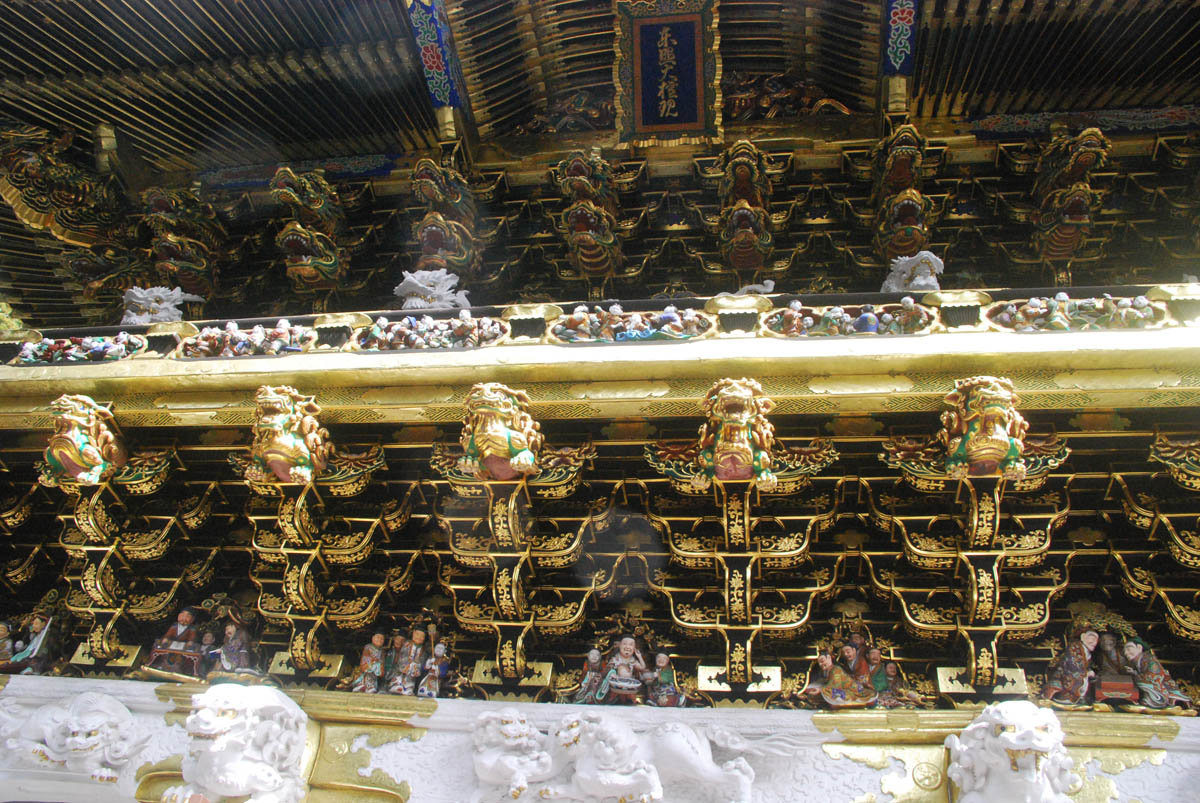
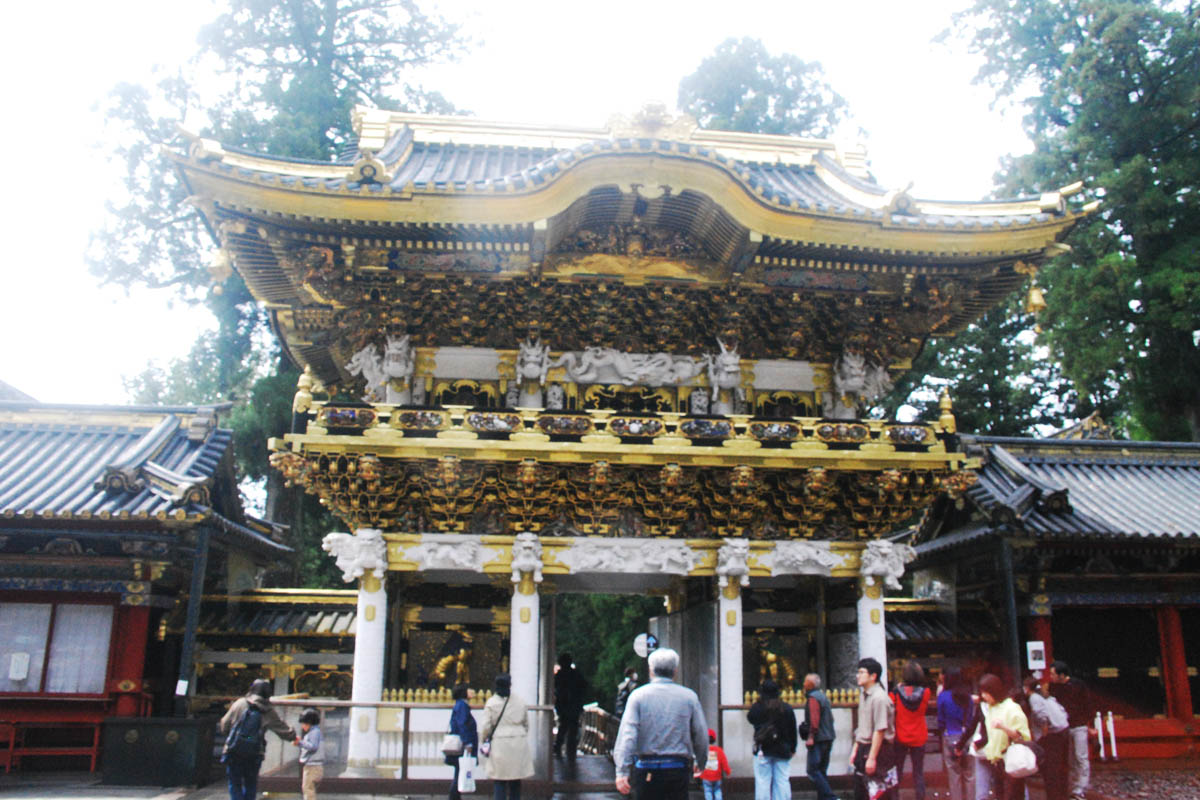
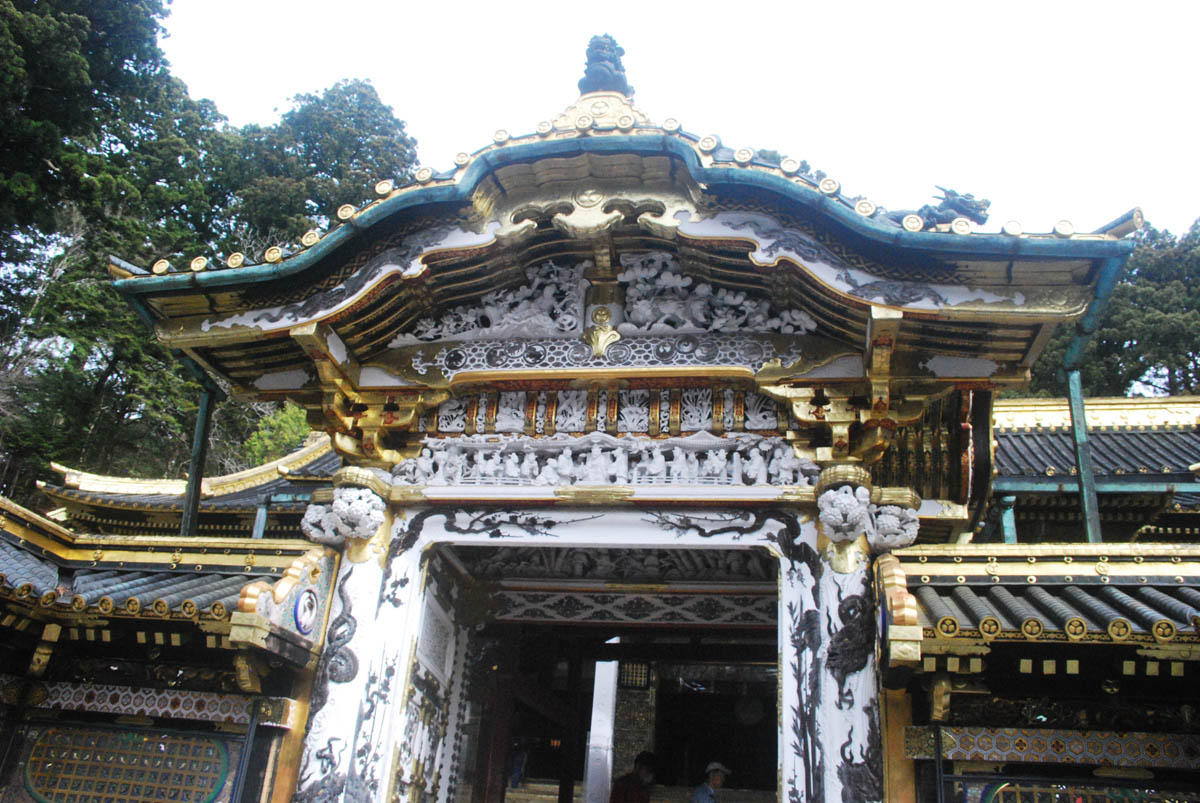
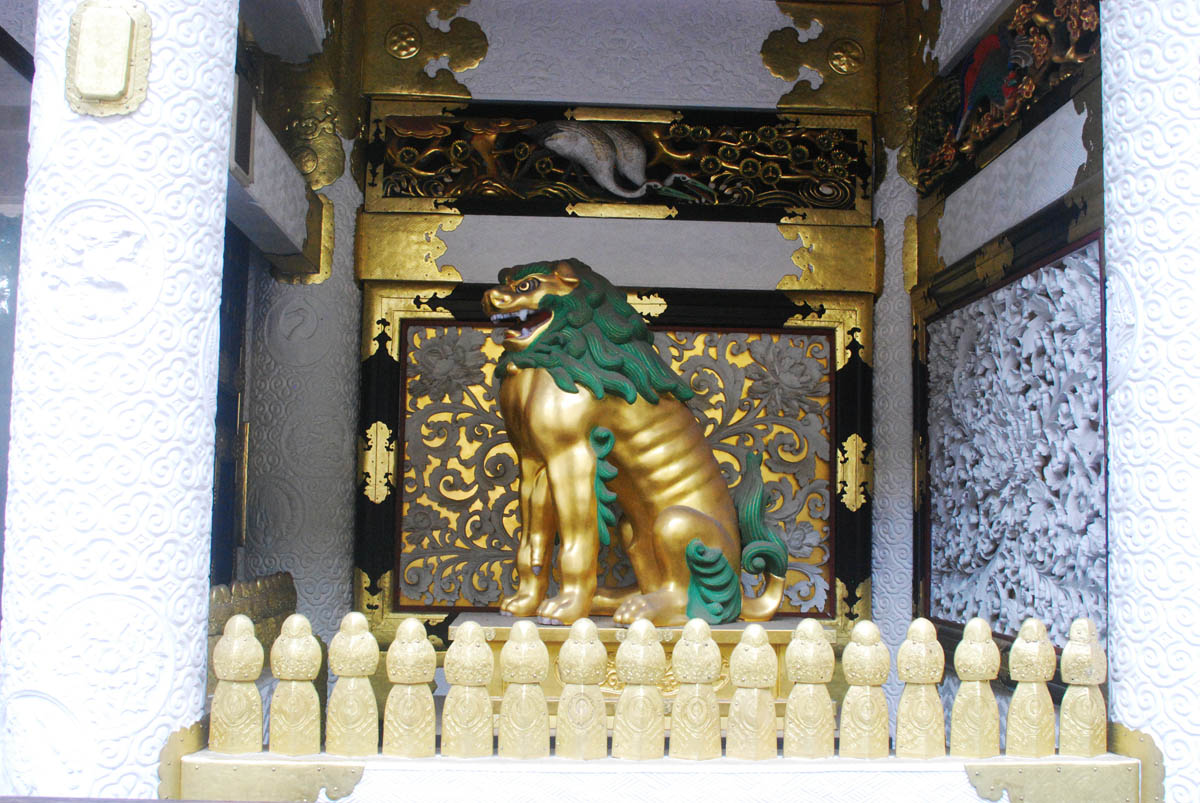
The shrine is renowned for its magnificent, lavish gold ornamentation. Its National Treasure, the Yomeimon Gate, is adorned with approximately 240,000 sheets of gold leaf, creating a dazzling radiance through the striking contrast of black, white, and gold. The shrine grounds are considered a powerful spiritual site for attracting good fortune and financial prosperity.
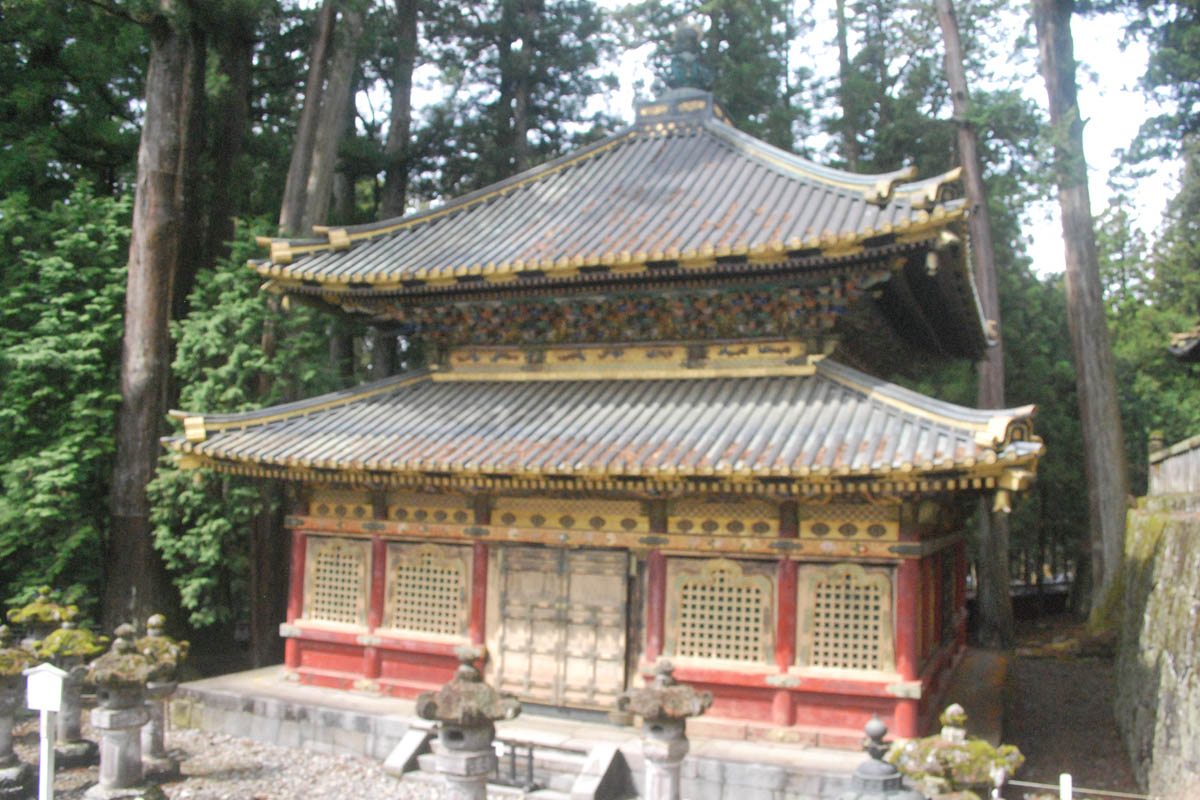
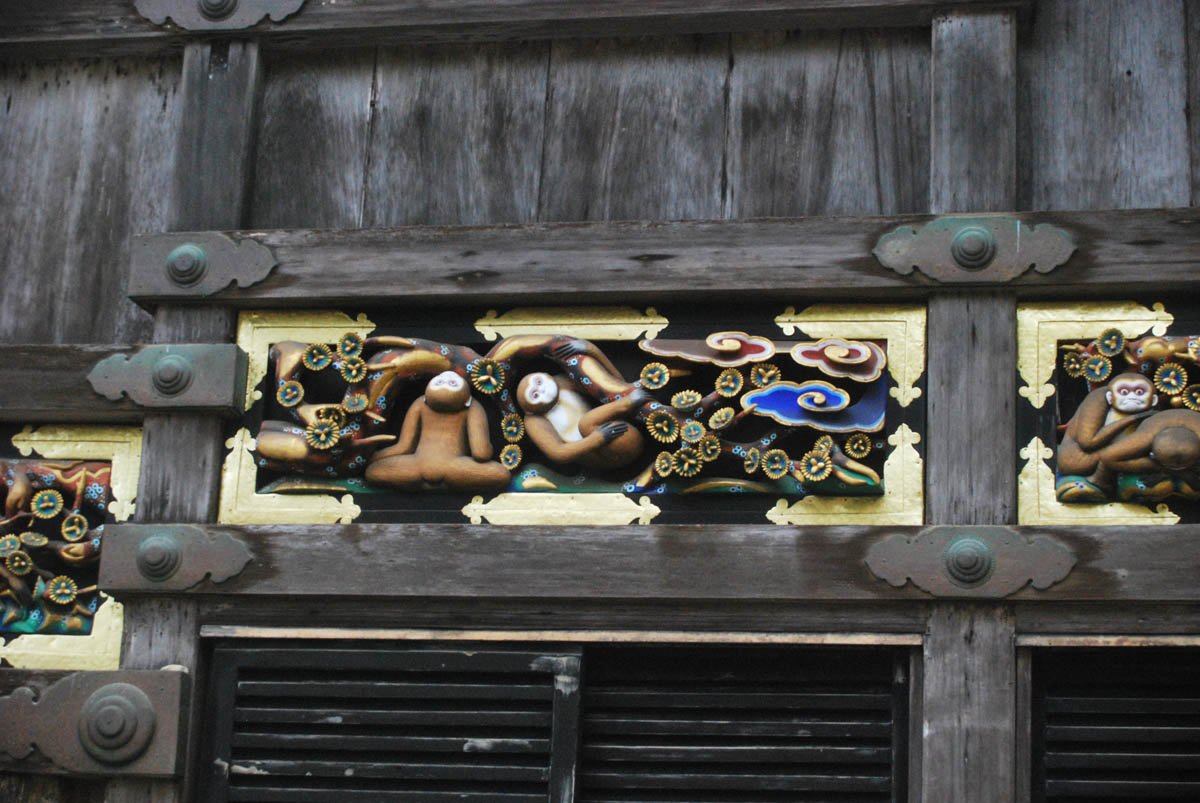
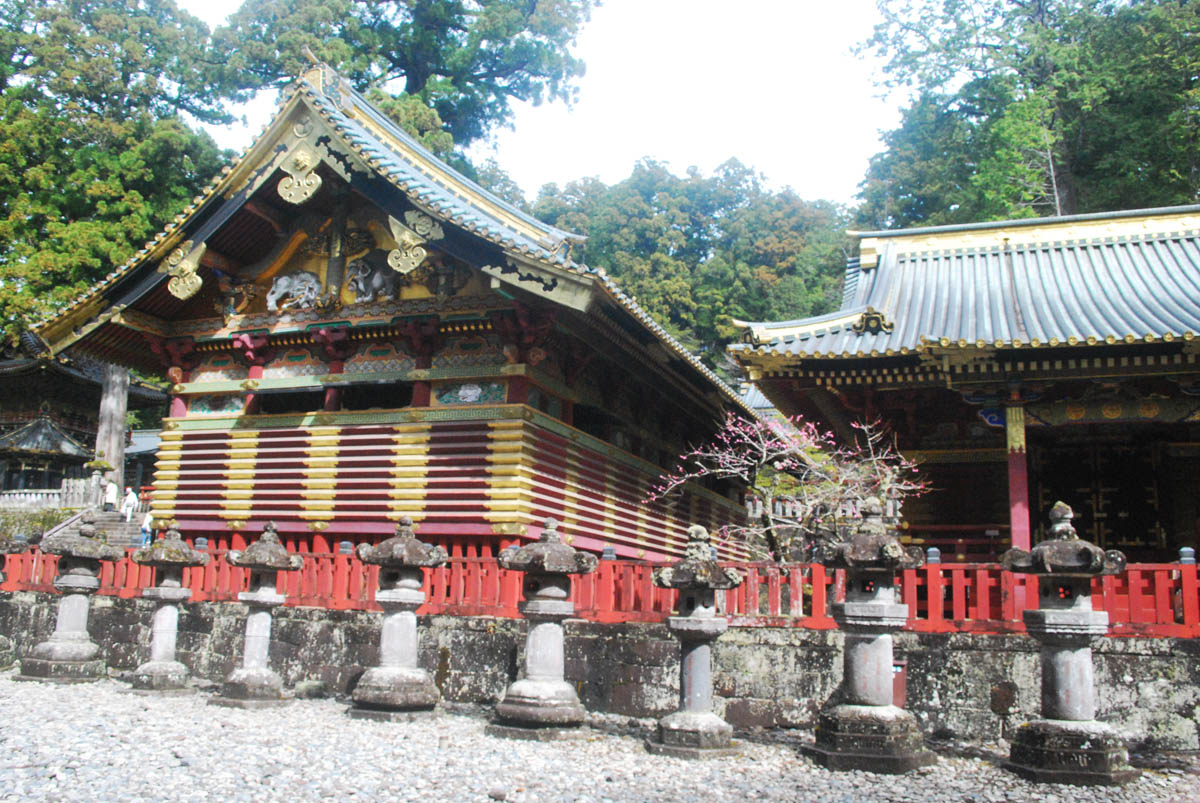
The site features richly colored, magnificent architecture that embodies the pinnacle of Edo-period style (including 8 National Treasures and 34 Important Cultural Properties); intricate carvings?such as those on the Yomeimon Gate?and decorative elements like the "Three Wise Monkeys" and the "Sleeping Cat" all embody a wish for peace.

Torip to Nikko Toshogu Shrine